

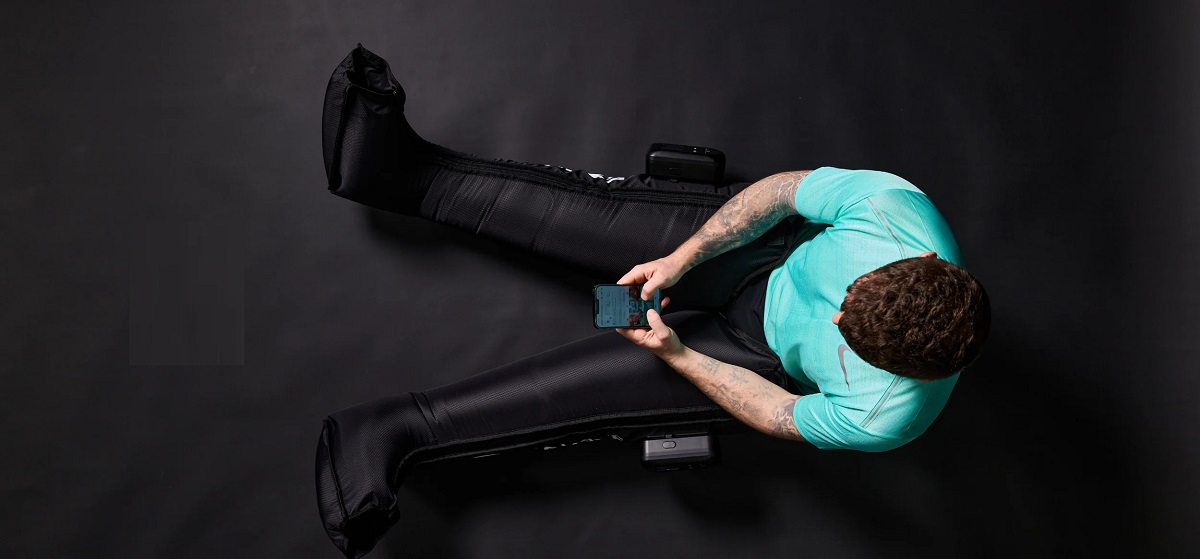
The sight of athletes clad in tight, sleek, form-fitting garments has become a staple of modern sports, from local 5K races to the professional stages of the NBA and the Olympic Games. What was once a niche product used primarily in medical settings to treat circulatory issues has exploded into a multi-billion dollar industry within the fitness world. DFND USA compression apparel for performance and recovery, which includes socks, sleeves, leggings, and shirts, is designed to apply a specific level of pressure to the limbs and torso. While the aesthetic appeal of these garments is undeniable, their true value lies in the physiological benefits they provide during intense physical activity and the critical hours of rest that follow. For anyone looking to gain a competitive edge or simply reduce the downtime caused by soreness, understanding the science behind compression is essential.
Enhancing Athletic Performance Through Improved Circulation
The primary mechanism behind compression gear is its ability to facilitate better blood flow. During exercise, your muscles require a constant supply of oxygen-rich blood to produce energy. As the heart pumps blood to the extremities, the veins must work against gravity to return that blood to the heart for re-oxygenation. Compression garments are often engineered with graduated pressure, meaning they are tightest at the extremities and gradually loosen as they move toward the core. This design helps squeeze the veins, increasing the velocity of blood flow and assisting the valves in moving blood upward more efficiently.
This improved circulation leads to better oxygen delivery to active muscle tissues. When muscles receive oxygen more efficiently, they can perform at a higher intensity for a longer duration before reaching the point of exhaustion. Furthermore, the increased blood flow helps to flush out metabolic byproducts, such as lactic acid, during the activity itself. This can result in a perceptible reduction in the “burn” felt during high-intensity intervals, allowing athletes to push through plateaus and maintain a higher level of output during their training sessions or competitions.
Mechanical Support and Muscle Oscillation
Beyond the circulatory benefits, compression wear provides significant mechanical support to the muscular system. When your foot hits the ground during a run or when you land a jump, a vibration—known as muscle oscillation—travels through your tissues. While seemingly minor, this repeated vibration causes micro-trauma to the muscle fibers and contributes to fatigue over the course of a workout. Compression garments hold the muscles firmly in place, significantly dampening these oscillations and reducing the energy wasted by the body in stabilizing the tissue.
This stabilization also improves proprioception, which is your body’s ability to sense its position and movement in space. The constant pressure on the skin provides continuous sensory feedback to the brain, which can lead to better form, improved balance, and more precise movements. For athletes involved in sports requiring high levels of agility, such as soccer or tennis, this heightened body awareness can be a subtle but powerful tool for injury prevention and technical accuracy.
Accelerating the Recovery Process
The hours following a workout are when the most significant physiological changes occur, as the body works to repair the microscopic tears in the muscle fibers caused by exercise. This process is often accompanied by Delayed Onset Muscle Soreness, or DOMS. Wearing compression gear during the recovery phase helps to manage this inflammation by preventing excess fluid from pooling in the limbs, a condition known as edema. By keeping the pressure consistent, the garments encourage the lymphatic system to remove waste products and inflammatory markers more effectively.
Research has shown that athletes who wear compression garments after strenuous activity often report lower levels of perceived muscle soreness and a faster return to their baseline strength. This is particularly beneficial for those who train multiple times a day or compete in multi-day tournaments where recovery time is limited. By reducing the physical “heaviness” in the limbs and minimizing swelling, compression wear allows athletes to return to their next training session feeling fresher and more capable of performing at their peak.
Conclusion
Compression wear has evolved from a medical necessity into a versatile tool for the modern athlete. By optimizing blood flow, reducing muscle vibration, and managing post-exercise inflammation, these garments offer a multi-faceted approach to improving sports performance and recovery. While it is not a substitute for proper training, nutrition, and sleep, compression gear serves as a highly effective supplement that can help you get the most out of your physical efforts.
