

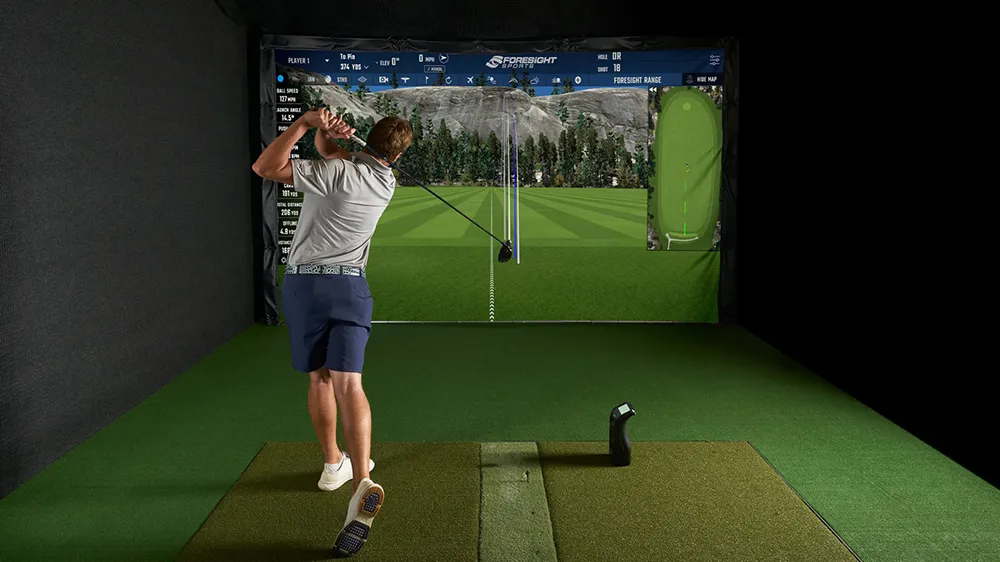
Why A Mobile Golf Launch Monitor Changes the Way You Practice
Golfers love to chase that perfect shot — the one that feels smooth, flies straight, and lands exactly where you wanted. But let’s be real, relying on feel alone rarely gives you the full story. That’s where a mobile golf launch monitor becomes more than just a gadget. It’s like having a truth-teller sitting quietly behind you, showing what’s really happening with every swing.
We’re not talking about bulky machines locked inside pro studios. This is a tool that slips into your bag, sets up in seconds, and delivers the kind of data that used to be reserved for tour players. Ball speed, spin, launch angle — they’re no longer mysteries, and they travel with you whether you’re at the range, indoors, or squeezing in a quick session before a round.
The real surprise? It doesn’t just help you hit longer drives; it reshapes how you train. Instead of guessing which drills work, you’ll know. Instead of trusting that a swing change “felt better,” you’ll see proof in numbers. And once you start practicing with that kind of clarity, improvement stops being random and starts becoming routine.
How To Use a Mobile Launch Monitor on the Range
You’ll set the device behind the ball or to the side, depending on the model. Please turn it on, choose a club, and hit normal shots. The screen or app will show speed, spin, and carry distance. Use the numbers to compare clubs and swings. Small changes make big differences when you track them.
- Start with three baseline swings per club.
- Record data and label each set.
- Change only one thing at a time.
- Use notes to track feel versus numbers.
When you test, hit easy, controlled shots. Don’t swing all-out every rep. Watch ball speed first, then launch. If spin is off, try a different tee height or ball position. Over weeks, you’ll build a personal baseline. That baseline helps spot real progress, not just good days.
What Data Matters and Why It Changes Practice
You get lots of stats, but focus on the few that move your score. Ball speed shows power. Launch angle affects carry. Spin controls roll and stop. Smash factor helps you see if you’re striking the sweet spot. Read data with context like wind and lie.
- Track ball speed and carry distance.
- Note launch angle and spin rate.
- Watch the smash factor for strike quality.
- Compare long-term averages, not single shots.
Numbers remove guesswork. If your driver’s carry drops, check spin first. Too much spin kills distance. Too low a launch means you’re losing carry. Fixing one number often improves others. Use trends to guide practice sessions instead of chasing random feels.
Why Portability Matters for Real Improvement
A compact monitor fits into life. You’ll practice more if the tool travels. Indoor sessions, backyard practice, and quick warm-ups before rounds become useful. When you can measure anywhere, you learn faster.
- Practice frequency increases with convenience.
- Short, focused sessions beat long, unfocused ones.
- You’ll test changes on real turf and flat mats.
- Portable units force simple, repeatable setups.
We’ve seen players plateau until they start tracking small, repeatable drills. Portability removes friction. It keeps you honest about progress and helps you pick drills that actually work.
How To Interpret Numbers Without Getting Overwhelmed
Numbers can feel like a foreign language. Start small and treat data like a coach’s notes. Pick two metrics, track them each week, and adjust one variable per session.
- Choose two metrics to focus on.
- Keep sessions short and goal-driven.
- Log results and compare weekly averages.
- Use video or feel notes to pair with data.
Don’t chase perfect numbers every swing. Use the monitor to spot trends and to confirm good feeling shots. Over time, the numbers will match how the shot looks and feels. That match builds confidence.
Next Steps to Improve and Take Action
We’ll help you turn data into wins. Start a simple plan: baseline, two metrics, weekly checks, and small tweaks. Practice with purpose, not just time on the range. If you want structure, write a short plan you can follow for four weeks. Track progress and celebrate the small wins.
We’re ready to guide you further. Try the baseline test this week and note three changes you can make next session. If you want, we’ll refine the plan and set clear practice drills. Let’s keep this simple, consistent, and measurable — and watch the game respond.
